
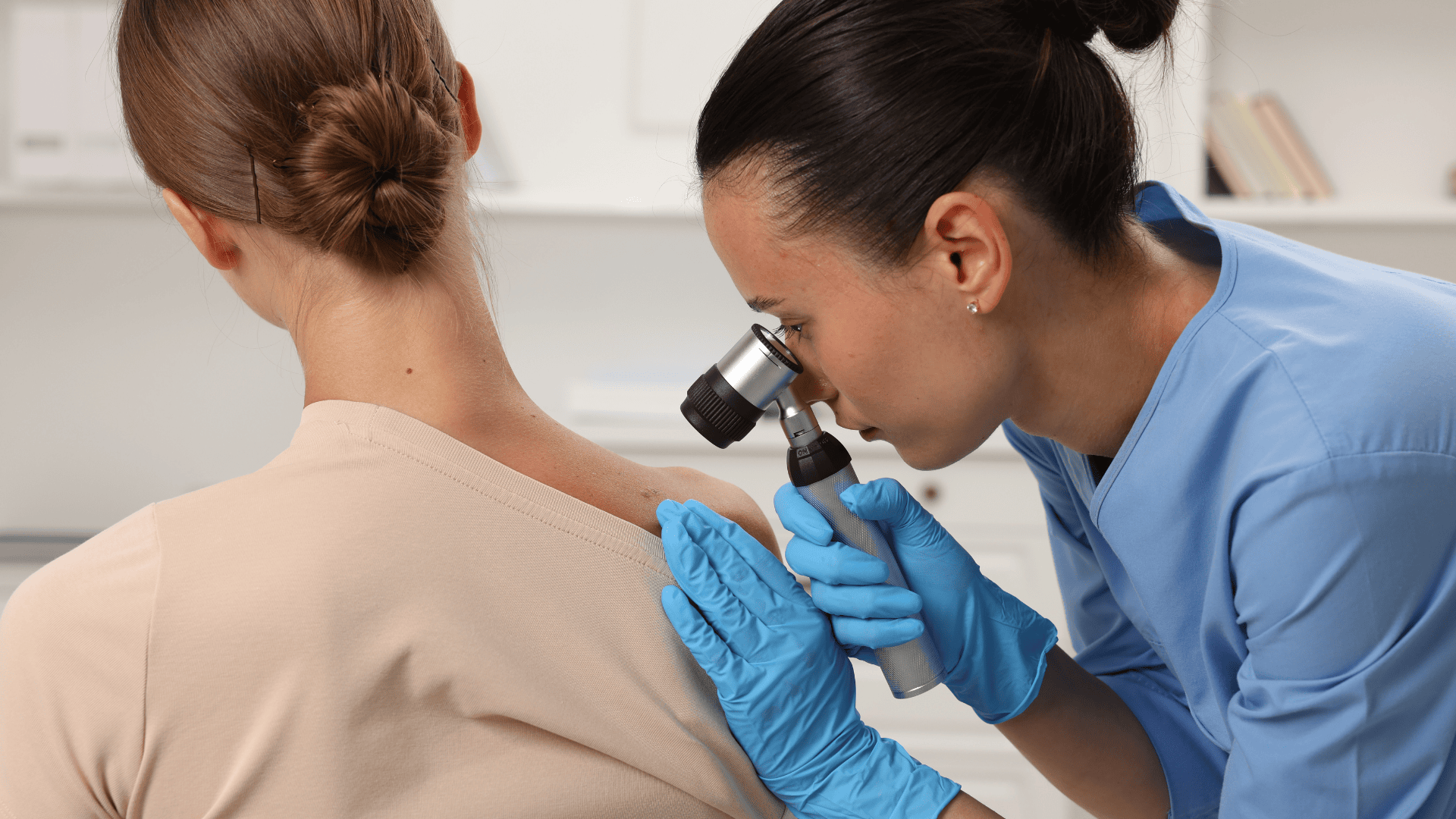
Skin growths are common and can appear at any stage of life. While many are harmless, patients often seek skin lesion removal when these growths become bothersome, irritated, or cosmetically concerning.
Most benign lesions of the skin do not pose a health risk, but proper evaluation is still important. Understanding the different types of lesions and the available treatment options can help you make informed decisions about your care.
What Are Benign Skin Lesions?
Benign lesions of the skin are non-cancerous growths that develop due to factors such as aging, genetics, sun exposure, or minor skin trauma. Although they are not dangerous, they may change in appearance or become uncomfortable over time.
Common Types of Benign Skin Lesions
- Moles (nevi): Pigmented spots that can be flat or raised
- Skin tags: Small, soft growths often found in areas of friction
- Seborrheic keratoses: Waxy, slightly raised lesions common with age
- Cysts: Fluid-filled sacs beneath the skin
- Warts: Growths caused by viral infections
Each type varies in appearance and behavior, which is why professional assessment is recommended before any lesion removal.
When Is Skin Lesion Removal Recommended?
The removal of skin lesions may be advised for several reasons. Some lesions become irritated by clothing or shaving, while others may bleed, grow, or cause discomfort. In other cases, patients choose removal for cosmetic reasons, especially when lesions are visible on the face or neck.
Additionally, if a lesion changes in color, size, or shape, a dermatology provider may recommend removal to allow for further evaluation.
Skin Lesion Removal Treatment Options
The best approach depends on the type, size, and location of the growth. Dermatology providers use several safe and effective techniques for the removal of skin lesions.
Cryotherapy (Freezing)
Cryotherapy uses liquid nitrogen to freeze and destroy abnormal tissue. It is commonly used for warts and certain keratoses and is a quick, minimally invasive option.
Electrosurgery or Cauterization
This technique uses controlled heat to remove or destroy the lesion. It may also help reduce bleeding during the procedure.
Shave Removal
Shave removal is typically used for raised lesions. The provider gently removes the growth at the surface of the skin. There are no stitches involved in this procedure, often resulting in minimal downtime.
Surgical Excision
Surgical excision involves carefully cutting out the lesion, often with a small margin of surrounding tissue. The skin is then stitched to close the wound and allow for optimal healing. This method ensures a complete lesion removal, particularly for larger or deeper growths.
Each method is selected based on your specific needs to ensure safe and effective lesion removal.

What to Expect During and After Treatment
Most skin lesion removal procedures are performed in-office and may require local anesthesia. Treatments are generally quick, and patients can return to normal activities shortly afterward.
After the procedure, it is common to experience mild redness, crusting, or temporary skin sensitivity. Healing times vary depending on the type of procedure, but most areas improve within a few days to a couple of weeks.
Are There Risks or Side Effects?
When performed by a qualified professional, skin lesion removal is considered safe. However, as with any procedure, there are potential risks, including minor scarring, infection, or temporary changes in skin pigmentation.
Proper aftercare and following your provider’s instructions can help minimize these risks and support optimal healing.
When to See a Dermatology Provider
It is important to seek evaluation if you notice any changes in your skin. Warning signs may include:
- Rapid growth
- Irregular borders or color changes
- Bleeding or persistent irritation
- Pain or itching
Even though many lesions of the skin are harmless, a professional assessment ensures accurate diagnosis and appropriate care.
Professional Evaluation Matters
Attempting at-home treatments without proper diagnosis can lead to complications or incomplete removal of skin lesions. A dermatology provider can determine whether a lesion is benign and recommend the most appropriate treatment option.
Personalized care ensures that skin lesion removal is both safe and effective, with attention to cosmetic outcomes and overall skin health.
Clear, Safe Solutions for Healthier Skin
Skin lesion removal is a common and effective way to address benign growths that cause discomfort, irritation, or cosmetic concerns. With a variety of treatment options available, patients can receive care tailored to their specific needs.
If you have a lesion that is changing, bothersome, or simply something you would like evaluated, seeking professional guidance is the best first step towards a safe and successful lesion removal.
Schedule a consultation with Bare Dermatology to receive a personalized evaluation and explore safe, effective options for skin lesion removal. With multiple convenient offices across Texas, expert care is always within reach.


