
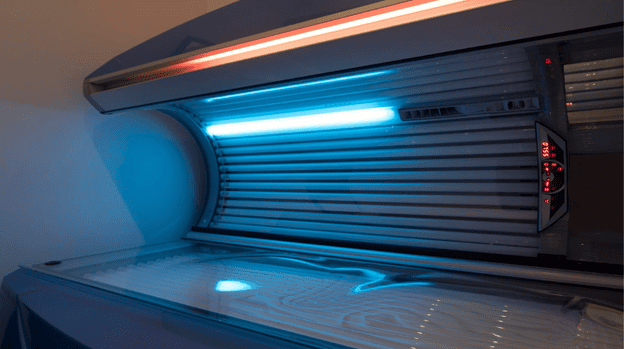
Many people still believe tanning beds are a safer alternative to natural sunlight. As dermatologists, we hear this misconception often. The scientific evidence, however, is clear and consistent. Indoor tanning is one of the most preventable causes of skin cancer, yet it continues to expose millions of people to unnecessary risk.
Understanding how tanning beds affect the skin and why no tanning device is considered safe can help patients make informed decisions that protect their long-term skin health.
Are Tanning Beds Safe?
A question we frequently hear in clinic is whether indoor tanning can be used occasionally or “responsibly” without consequences. From a medical standpoint, the answer is no.
Tanning beds emit concentrated ultraviolet (UV) radiation, including both UVA and UVB rays. These rays penetrate the skin and directly damage DNA in skin cells. In fact, many tanning devices deliver UV exposure that is stronger than midday sun, accelerating both skin aging and cancer risk.
There is no such thing as a safe tan from a tanning bed. Any change in skin color caused by UV exposure is evidence of injury, not protection.
Can You Get Skin Cancer From a Tanning Bed?
The connection between indoor tanning and skin cancer is well established. Regular exposure to tanning beds increases the risk of melanoma and non-melanoma skin cancers, such as basal cell carcinoma, and squamous cell carcinoma.
Research shows that people who use tanning beds, especially before age 35, significantly increase their risk of melanoma. Repeated exposure compounds that risk over time, which is why teens and young adults are among the most vulnerable populations.
This is one of the reasons dermatologists strongly discourage indoor tanning at any age.
Tanning Beds, Melanoma, and Long-Term Skin Damage
When discussing tanning beds cancer risk, melanoma deserves special attention. Melanoma is less common than other skin cancers, but it is far more aggressive and dangerous. Indoor tanning has been shown to increase melanoma risk in a dose-dependent way, the more exposure, the higher the risk.
Beyond cancer, the effects of tanning beds include premature wrinkles, sunspots, loss of elasticity, and chronic skin damage. Many patients who later seek care for persistent irritation, tightness, or flaking are surprised to learn that UV exposure can worsen conditions like dry skin. In these cases, professional evaluation and targeted care such as Bare Dermatology’s services for treating dry skin can help repair the skin barrier and reduce ongoing damage.
Sun Tanning and Skin Cancer: Is One Safer Than the Other?
Some people assume indoor tanning is safer than outdoor exposure. In reality, both forms of tanning cause UV exposure and increase the risk of skin cancer.
The difference is that tanning beds deliver a controlled but highly concentrated dose of UV radiation in a short period of time, often on a repeated schedule. This makes the cumulative damage more intense and predictable and more dangerous.
Whether the source is natural or artificial, UV exposure increases cancer risk.
Can Tanning Cause Cancer Without a Burn?
One common myth about tanning is that damage only occurs if the skin burns. In reality, burning is not required for harm to occur.
Tanning itself is the skin’s response to DNA damage. Even without redness or pain, UV exposure alters skin cells in ways that increase cancer risk over time. This damage is cumulative and irreversible.
Why Dermatologists Focus on Prevention and Early Detection
From a clinical perspective, prevention is always more effective than treatment. Avoiding indoor tanning entirely is one of the most impactful steps patients can take to reduce skin cancer risk.
For patients with a history of tanning bed use, regular professional skin exams are essential. Early detection allows dermatologists to identify abnormal changes before they progress. At Bare Dermatology, comprehensive skin cancer treatment options are designed to manage skin cancer as early and effectively as possible.
It’s also important to recognize that UV exposure can worsen other skin conditions beyond cancer risk. Patients experiencing hyperpigmentation, melasma, rosacea and autoimmune conditions, including lupus often have flare-ups with continued UV exposure, making tanning beds especially harmful and frequently requiring specialized dermatologic treatment.

Final Takeaway: Clear Evidence, Clear Choices
Indoor tanning is not a cosmetic shortcut, it is a proven health risk. The evidence is clear that tanning beds increase the risk of melanoma and non-melanoma skin cancers while causing lasting damage to the skin.
At Bare Dermatology, our approach is rooted in evidence-based prevention and patient education. Protecting your skin today by avoiding tanning beds and prioritizing regular skin checks can have a profound impact on your health in the years ahead.
If you have a history of indoor tanning, concerns about skin changes, or simply want peace of mind, you can easily request an appointment with Bare Dermatology to receive expert evaluation and personalized guidance focused on long-term skin health. With multiple locations across Texas, our dermatology team makes it easy to find a clinic near you and receive professional, individualized care.


