
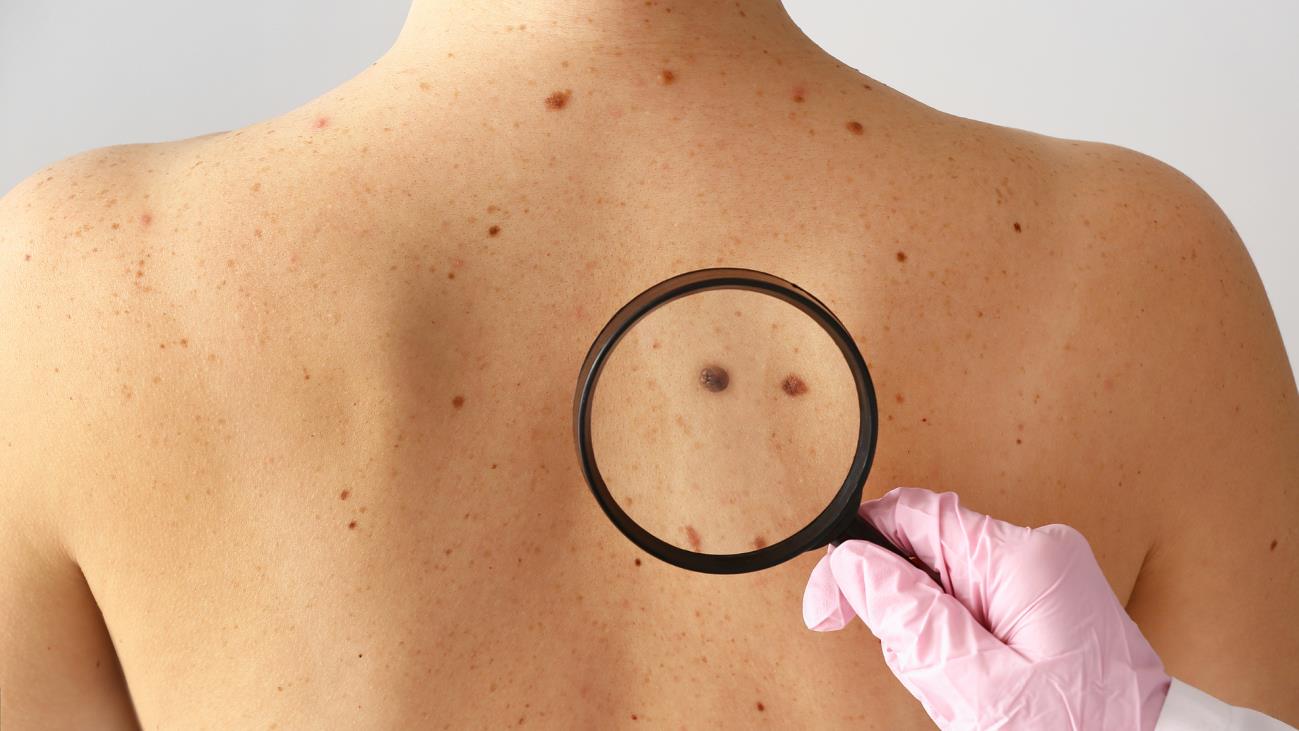
Melanoma is the skin cancer type most associated with inherited genetic changes, but the majority of cases still result from UV exposure. Understanding the relationship between melanoma and genetics can help you assess your risk more accurately and take the right steps toward prevention and early detection.
Below, we break down what science currently tells us about hereditary melanoma, genetic risk factors, and how environmental triggers influence skin cancer development.
What Is Melanoma and Is Melanoma Skin Cancer Hereditary?
According to the AAD (American Academy of Dermatology), Melanoma is a form of skin cancer that begins in melanocytes, the pigment-producing cells in the skin. It is less common than basal cell or squamous cell carcinoma but tends to be more aggressive if not detected early.
About 5–10% of melanoma cases are linked to inherited gene mutations, but the majority occur in people with no family history. This is why dermatologists emphasize both genetic awareness and consistent sun protection.
How Genetics Influence Melanoma Risk
While most skin cancers are driven more by UV exposure than DNA changes, melanoma has a stronger genetic component.
Inherited Gene Mutations
Researchers have identified several genes that can increase melanoma risk when inherited:
- CDKN2A (most common mutation linked to hereditary melanoma)
- CDK4
- MITF
- BAP1
However, inheriting a gene mutation does not guarantee melanoma will occur, it simply increases the likelihood. For more on melanoma risk factors, see the AAD’s page on common melanoma risk factors.
Is Skin Cancer a Genetic Disease? The Difference Between Genetic and Environmental Risk
Patients often wonder whether skin cancer is a genetic disease or a condition caused by lifestyle and environmental factors. The truth is that melanoma results from a combination of both.
Melanoma and Genetics
Genetic predisposition means you have a higher baseline risk due to inherited DNA changes. But genetics alone cannot explain most melanoma cases.
Environmental Factors
Even individuals with hereditary melanoma risk still require environmental triggers for the disease to develop. The AAD emphasizes that UV radiation from the sun or indoor tanning beds is the primary cause of most skin cancers, including melanoma. Other environmental risk factors include:
- Severe or blistering sunburns, especially in childhood
- Tanning bed use
- Living in sunny climates
- Fair skin or photosensitive skin types
For many people who develop melanoma, these environmental triggers are the primary cause. This is why dermatologists say melanoma is a partly genetic, partly environmental condition rather than a purely skin cancer genetic disorder.

What Does a “Strong Family History” of Melanoma Mean?
A family history of melanoma doesn’t automatically mean it is hereditary. Dermatologists typically consider the risk to be higher when:
- Two or more first-degree relatives (parents, siblings, children) have been diagnosed
- Multiple family members have had melanoma at a young age
- A single individual has had multiple primary melanomas
- Family history includes both melanoma and pancreatic cancer (a pattern associated with CDKN2A mutations)
Genetic Testing and Why Early Detection Still Matters Most
Genetic testing for melanoma is not recommended for everyone. Instead, it is typically considered when certain patterns suggest a hereditary risk, such as:
- Multiple melanomas in the same person
- Several close relatives diagnosed with melanoma
- Melanoma occurring before age 30
- A family history that includes pancreatic cancer
- Regardless of your genetic makeup, early detection remains the most important factor in reducing melanoma-related mortality. Melanoma is highly treatable when found early, which is why dermatologists emphasize consistent monitoring. Recommended practices include:
- Annual full-body skin exams with a dermatologist
- Monthly skin self-checks at home
- Watching for the ABCDEs of melanoma: Asymmetry, Border changes, Color changes, Diameter over 6 mm, and Evolving lesions
- Prompt evaluation of any new or changing moles
At Bare Dermatology, our specialists use advanced dermatoscopy, digital imaging, and expert clinical evaluation to detect melanoma at its earliest and most treatable stage.
How Bare Dermatology Supports Patients with Genetic or Environmental Melanoma Risk
Whether you’re concerned about hereditary melanoma, wondering if skin cancer is a genetic disease, or simply want to reduce your long-term risk, our team provides:
- Personalized risk assessments
- Full-body skin exams
- Guidance on prevention and sun protection
- Expert diagnosis and treatment of suspicious lesions
Your genetics may influence your risk, but your actions today can dramatically improve your long-term outcomes.
Take the Next Step Toward Protecting Your Skin
If you have a family history of melanoma, concerns about genetic risk, or a mole that has changed, Bare Dermatology is here to help. Schedule a comprehensive skin exam with our board-certified dermatology team to stay ahead of potential issues and protect your long-term health.


