
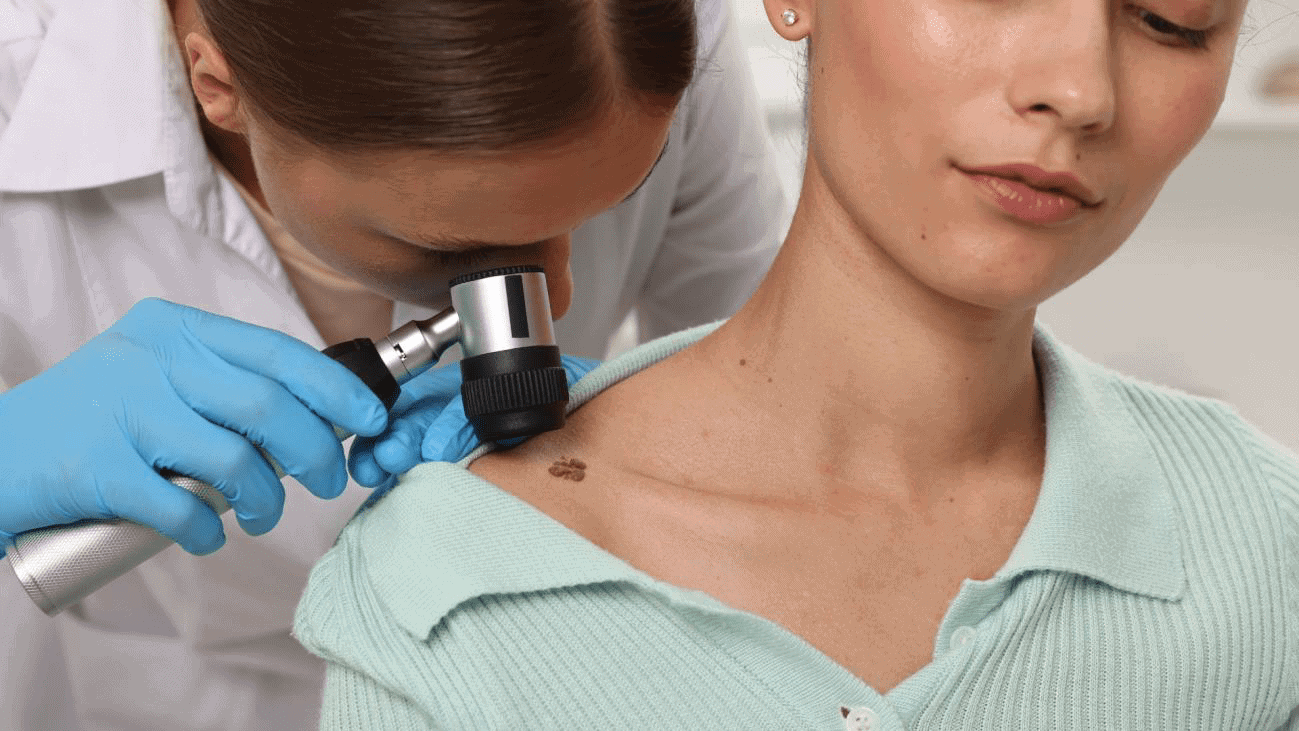
Skin cancer is the most common cancer worldwide, but not all skin cancers behave the same way. Understanding the different types of skin cancer, particularly the difference between melanoma and carcinoma, a distinction that can significantly impact outcomes. While both are forms of skin cancer, carcinomas and melanomas behave very differently, grow at different rates, and carry very different risks.
Early recognition and proper diagnosis are critical, especially because some skin cancers may appear subtle at first or be mistaken for harmless spots.
Understanding the Different Types of Skin Cancer
According to theAmerican Academy of Dermatology (AAD), basal cell carcinoma (BCC), squamous cell carcinoma (SCC), and melanoma are the most common types of skin cancer, each originating from different cells within the skin and carrying different levels of risk.
- Carcinomas (BCC and SCC) arise from cells in the outer layers of the skin
- Melanoma develops from melanocytes, the cells that produce pigment
Although carcinomas are far more common, melanoma is significantly more dangerous. Knowing the melanoma vs carcinoma distinction helps patients understand risk, urgency, and treatment pathways.
If you’d like to take a closer look at how our experts explain the different types of skin cancer, including basal cell carcinoma (BCC), squamous cell carcinoma (SCC), and melanoma, and why melanoma, while less common, is more aggressive, watch this short educational video from Dr. Aaron Farberg.
What Is Carcinoma Skin Cancer?
Carcinoma skin cancers develop from cells in the outer layers of the skin and are most often caused by cumulative sun exposure over time.
Basal Cell Carcinoma (BCC)
Basal cell carcinoma is the most common skin cancer. It typically grows slowly and rarely spreads to other parts of the body.
Common features include:
- Pearly or shiny bumps
- Pink or flesh-colored growths
- Sores that bleed, crust, or don’t heal
- Indentations or scar-like areas
BCC often appears on sun-exposed areas such as the face, ears, neck, and shoulders. You can learn more about basal cell carcinoma on the American Academy of Dermatology’s website.
Squamous Cell Carcinoma (SCC)
Squamous cell carcinoma is the second most common type of carcinoma. It can grow more aggressively than BCC and, in some cases, may spread if left untreated.
Warning signs include:
- Scaly or crusted patches
- Firm red nodules
- Wart-like growths
- Painful or bleeding lesions
While carcinomas are generally very treatable, early diagnosis is essential to prevent deeper tissue damage or complications. Learn more about squamous cell carcinoma treatment from the AAD here.
What Is Melanoma?
As explained in the American Academy of Dermatology’s website, Melanoma is a less common but far more serious form of skin cancer. It develops from melanocytes, the cells responsible for skin pigment, and can spread rapidly to lymph nodes and internal organs if not detected early.
Melanoma can appear anywhere on the body, including areas not regularly exposed to the sun, such as:
- The soles of the feet
- Under fingernails or toenails
- The scalp
- Mucosal surfaces
If you’d like to learn more about melanoma, including what it looks like, why it can be life-threatening, and the primary risk factors associated with its development, watch this video from Dr. Aaron Farberg.
Carcinoma vs Melanoma: Key Differences
Understanding carcinoma vs melanoma comes down to how these cancers behave, grow, and spread. According to the American Academy of Dermatology (AAD), the distinction is especially important because it influences both urgency and treatment approach.
Growth Pattern
- Carcinomas usually grow slowly and remain localized
- Melanoma can grow quickly and spread early
Risk Level
- Carcinomas are rarely life-threatening when treated
- Melanoma can be fatal without early intervention
Appearance
- Carcinomas often look like sores, bumps, or scaly patches
- Melanoma often appears as a new or changing mole or dark spot
Urgency
- Carcinomas still require prompt care
- Melanoma requires immediate evaluation
Melanoma carries significantly higher risk despite being less common.

Visual Warning Signs: What to Watch For
Carcinoma Warning Signs
- Non-healing sores
- Persistent redness or irritation
- Crusted or bleeding lesions
- Rough or scaly patches
Melanoma Warning Signs (ABCDE Rule)
- A – Asymmetry: One half doesn’t match the other
- B – Border: Irregular, blurred, or jagged edges
- C – Color: Multiple colors or uneven shading
- D – Diameter: Larger than a pencil eraser (though smaller melanomas exist)
- E – Evolving: Any change in size, shape, color, or symptoms
Any lesion that evolves or behaves differently than surrounding spots deserves professional evaluation.
Risk Factors for Both Types of Skin Cancer
Common risk factors include:
- History of sunburns
- Chronic UV exposure
- Fair skin, light eyes, or blond/red hair
- Family history of skin cancer
- Weakened immune system
- Indoor tanning use
- Personal history of skin cancer
Melanoma risk is especially increased by intense, intermittent sun exposure and blistering sunburns, particularly earlier in life.
When Should You See a Dermatologist?
Many skin cancers cannot be accurately identified by appearance alone. Some melanomas mimic benign moles, while certain carcinomas may appear subtle or harmless. You should schedule an evaluation if you notice:
- A new spot that looks different from others
- A lesion that changes, bleeds, or doesn’t heal
- A mole that follows any ABCDE warning signs
- A personal or family history of skin cancer
Early detection dramatically improves outcomes for all different types of skin cancer, especially melanoma.
The Bottom Line on Carcinoma vs Melanoma
Understanding the difference between melanoma and carcinoma empowers patients to take skin changes seriously without unnecessary fear. While carcinomas are far more common and usually highly treatable, melanoma requires swift attention and expert care.
Regular skin exams, sun protection, and prompt evaluation of suspicious lesions remain the most effective tools for protecting your health.
If you notice a new, changing, or unusual spot on your skin, don’t wait. Early evaluation is essential for distinguishing between carcinoma and melanoma and ensuring timely, appropriate care.
Schedule a professional exam with Bare Dermatology to receive expert assessment, advanced diagnostic tools, and personalized guidance focused on protecting your long-term skin health.


